
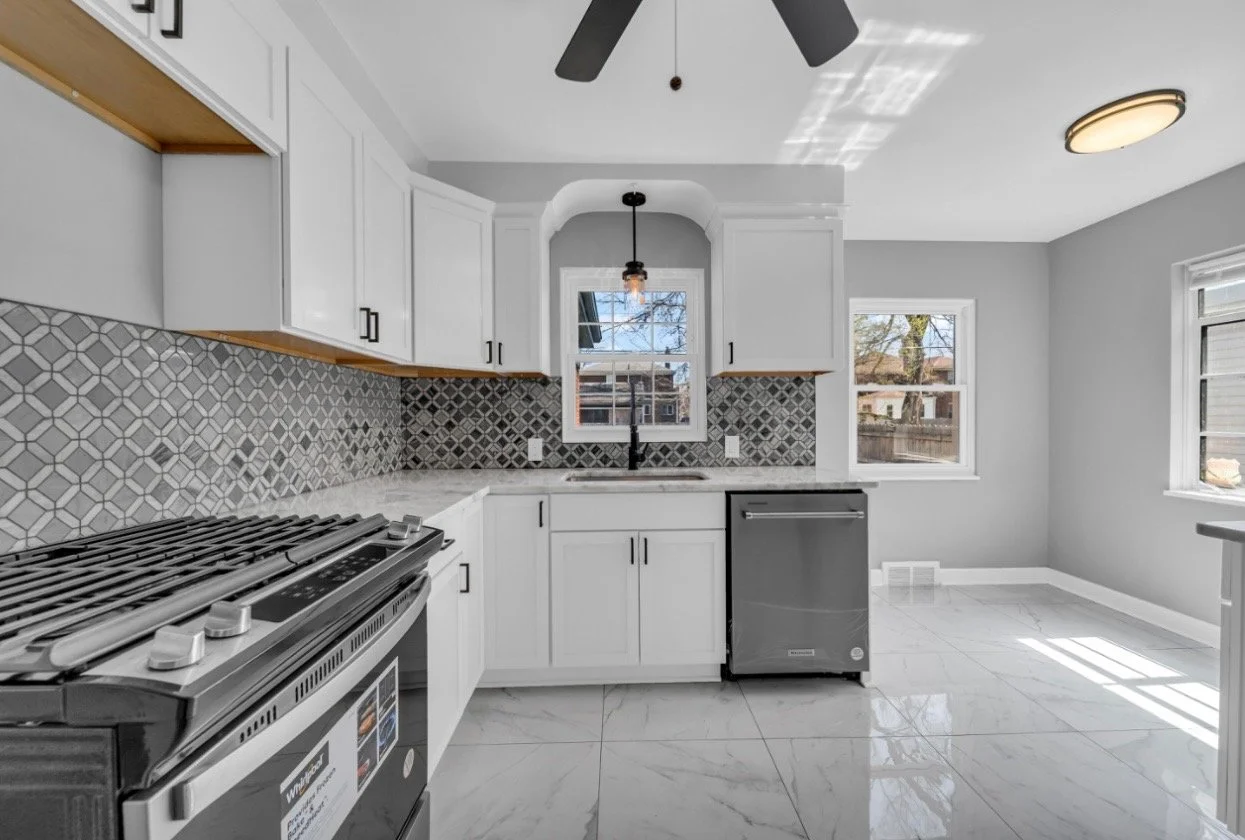
Residential Tile Installation
Transform Your Home With Expert Tile Craftsmanship
-
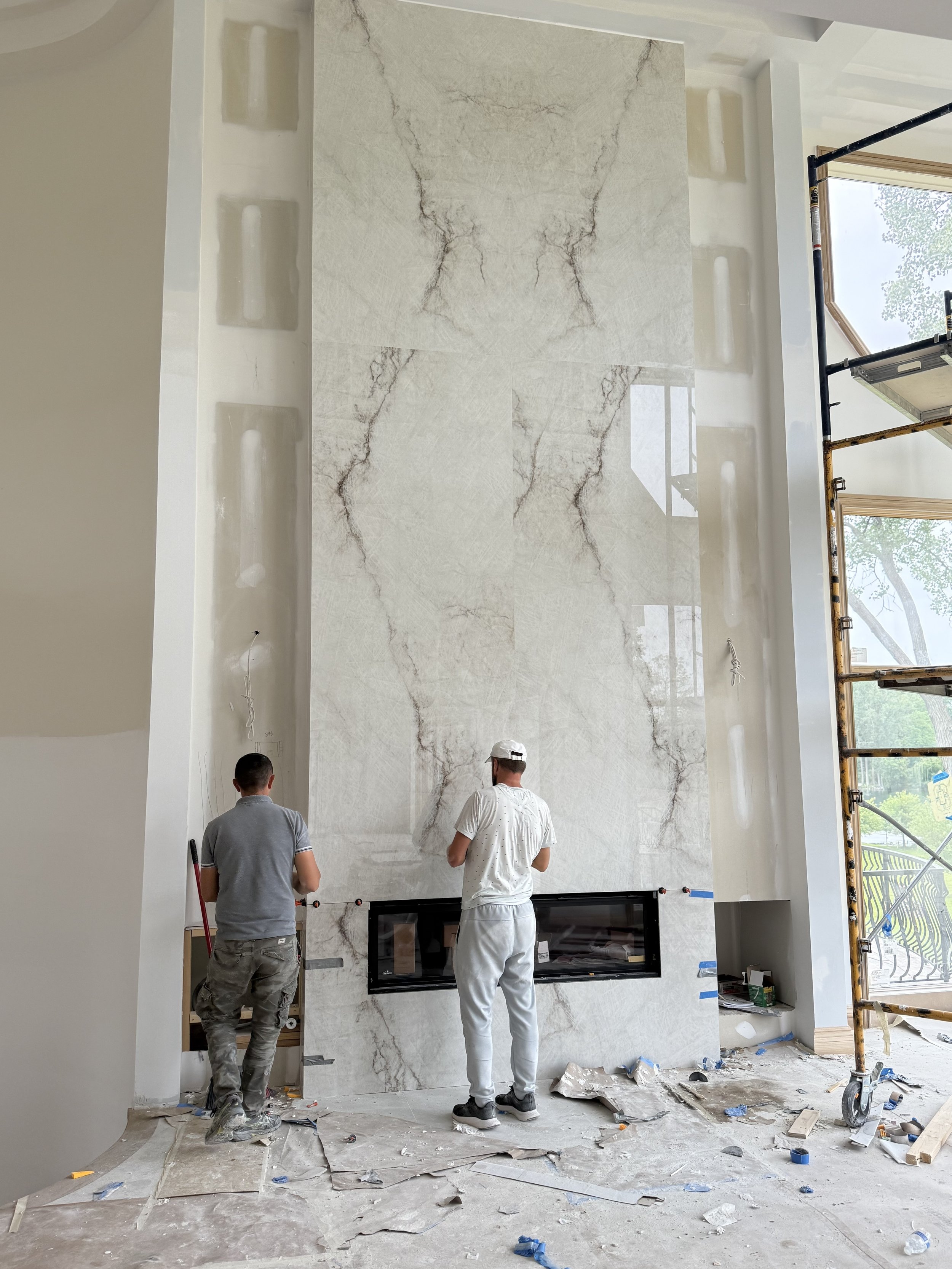
Porcelain Tile
Porcelain tile — the most popular choice today for its exceptional durability and water resistance.
Common uses
Floors
Bathrooms
Kitchens
Commercial spaces
Why customers love it
Authentic looks: replicates marble, wood, and natural stone with convincing detail.
Low maintenance: resists stains, scratches, and moisture far better than natural materials.
Long-lasting: retains appearance and performance in high-traffic areas.
Versatile finishes: available in matte, polished, and textured surfaces to fit any design.
Practical benefits
Easy cleaning: simple soap-and-water maintenance; no sealing required.
Hygienic: non-porous surface helps prevent mold and bacteria growth.
Cost-effective: lower lifetime upkeep and replacement compared with natural stone or hardwood.
Installation flexibility: suitable for underfloor heating and both residential and commercial installations.
Ideal for projects where durability, water resistance, and realistic aesthetics are priorities.
-
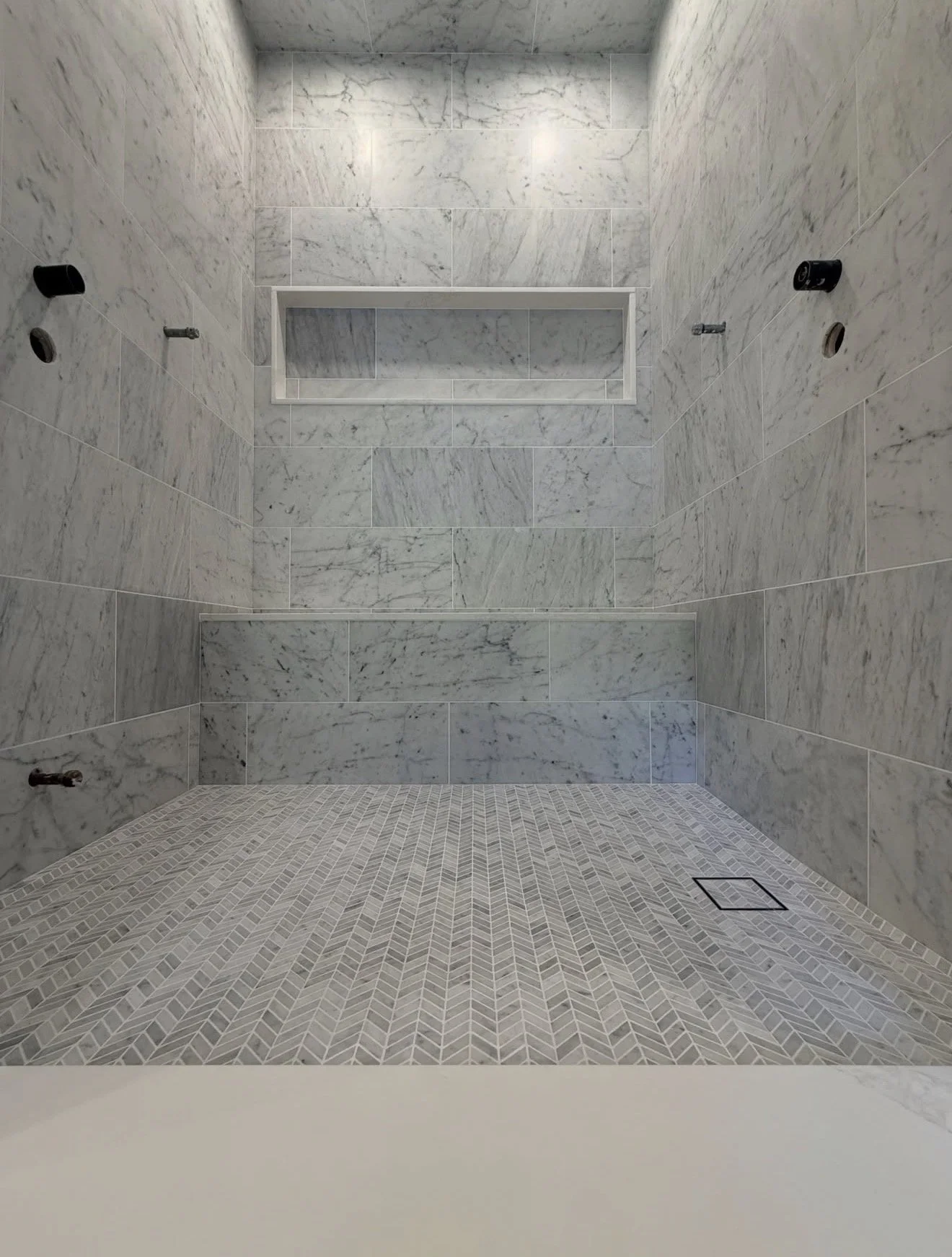
Marble Tile
Used for luxury homes and high-end spaces.
Common uses:
Bathroom floors
Showers
Feature walls
Entryways
It gives a very premium look but requires sealing and maintenance.
Details:
Appearance: Rich, refined aesthetic that enhances upscale interiors; available in polished, honed, or textured finishes to suit different design intents.
Durability: Suitable for moderate to high foot traffic when properly installed; some finishes can be slippery when wet—consider textured or matte options in wet areas.
Maintenance: Porous surfaces require periodic sealing to prevent staining and water ingress. Routine cleaning with pH-neutral cleaners is recommended to preserve finish and grout lines.
Installation: Professional installation advised for optimal performance and longevity. Proper substrate preparation and waterproofing in wet areas (showers, bathrooms) are essential.
Care tips: Wipe up spills promptly, reseal according to manufacturer or installer recommendations (typically every 1–3 years depending on use and material), avoid acidic or abrasive cleaners that can etch or dull the surface.
Suitable design pairings:
Matte metals (brushed brass, satin nickel)
Natural wood tones for warmth
Minimalist fixtures and clean lines to highlight the material’s premium character
Considerations:
Initial cost and ongoing maintenance should be factored into budgeting for luxury projects.
Choose finish and sealing options based on location (e.g., non-slip finish and frequent sealing for showers).
-
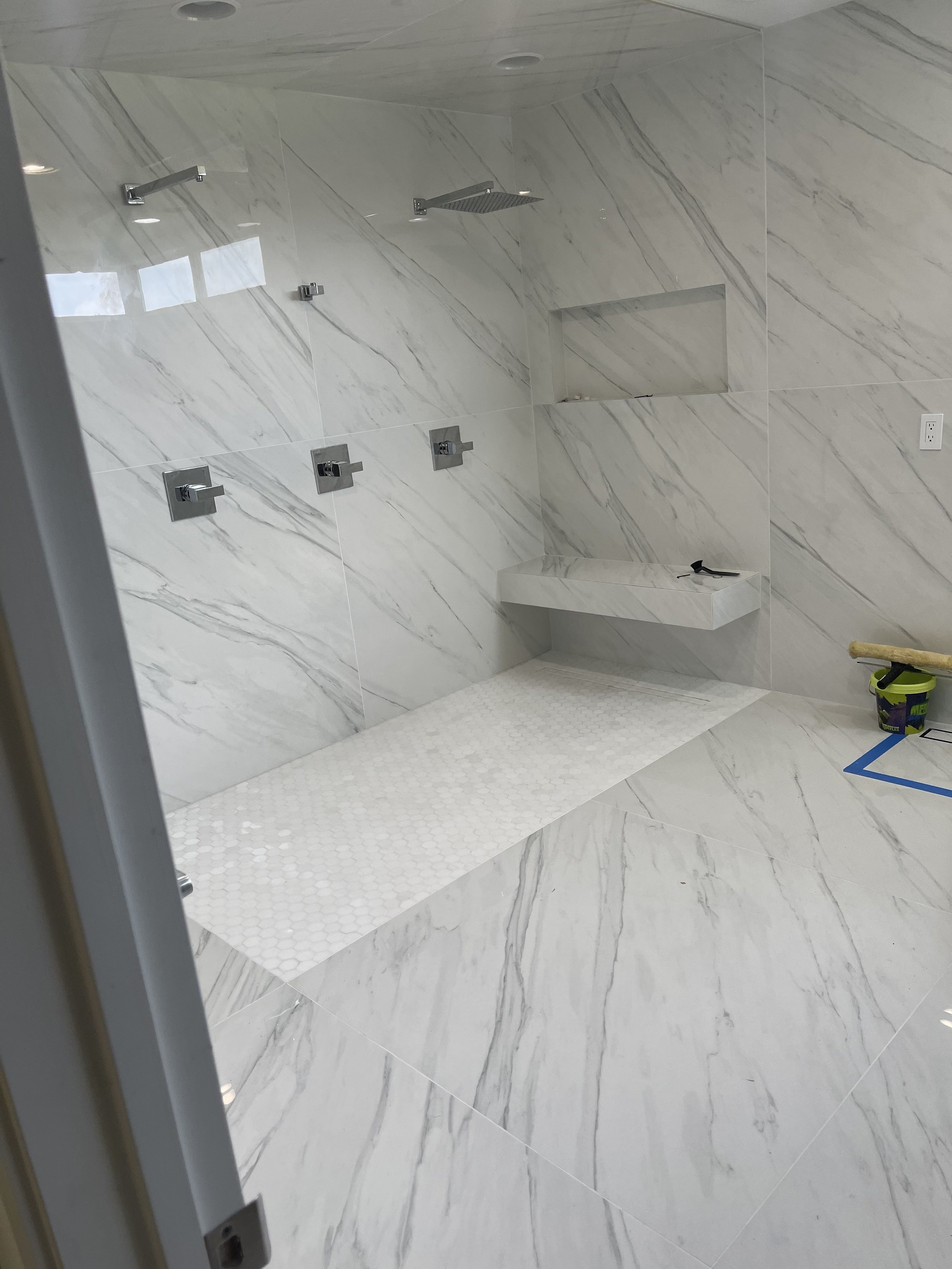
Ceramic Tile
Ceramic
Ceramic tile is a cost-effective, widely used option for residential spaces. Made from clay and fired at lower temperatures than porcelain, ceramic offers good durability for everyday use at a lower price point.
Common uses:
Kitchen backsplashes — easy to clean, available in many colors and patterns, ideal for protecting walls from splashes and stains.
Bathroom walls — moisture-resistant when glazed, suitable for showers and wet areas.
Light-traffic flooring — works well in bedrooms, hallways, and low-use living areas; not recommended for heavy-traffic or high-moisture floors unless properly rated.
Benefits:
Affordable and widely available
Large variety of styles, sizes, and finishes
Easier to cut and install than porcelain
Considerations:
Less dense and more porous than porcelain; glazing and proper sealing may be required for wet areas
Can chip or crack under heavy impact
Not as hard-wearing for high-traffic or commercial floors
Maintenance:
Clean with mild detergent and water
Reseal grout periodically to prevent staining and moisture penetration
Promptly repair cracked tiles to avoid moisture damage beneath the surface